
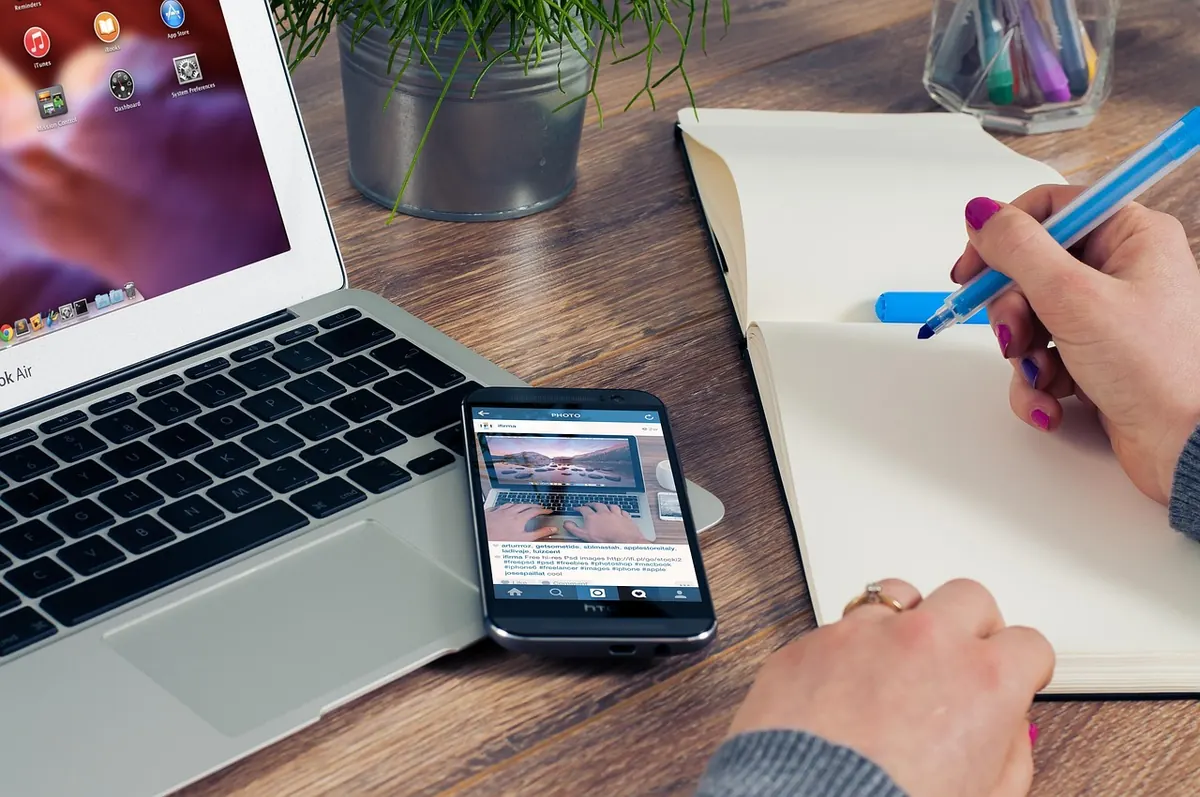


How to Build a 10-Minute Morning News Routine That Actually Sticks
Most morning news habits fail for a simple reason: they are designed like research projects. You open one headline, then another, and suddenly you are reading a long feature about a topic you did not care about at 7:05. A ten-minute routine works better because it has an edge. It gives you enough context to start the day without turning your kitchen table into a newsroom.
The goal is not to know everything. The goal is to know what matters for the day ahead, save the rest for later, and get on with your morning. Here is a repeatable routine you can use with coffee, on the train, or during the quiet minutes before your first meeting.
Choose Your Job Before You Open a Tab
“Staying informed” is too vague to be useful at 7 a.m. Decide what informed means for you. For most people, it comes down to three things: what is happening locally, one or two national or world stories that could affect the day, and anything moving in their work or industry. Everything else can wait.
Pick your sources before you need them. Choose one trusted general news source, one local source, and one specialist source for your field or a personal interest. Bookmark them or put them in a folder on your phone. The first pass should not begin with an algorithm that is designed to keep you moving from one headline to the next.
Set up the tools you will use in advance:
- A timer, either on your phone or a kitchen timer, set to ten minutes.
- A notes app or a read-later service for saving deeper reads.
- A short list of sources you trust, already open in tabs or bookmarks.
- A place to write three quick bullets at the end.
That last item matters more than it sounds. A routine without a closing step becomes an open tab you carry into the rest of the day.
Minutes 0–2: Set the Container
Start the timer before you start reading. Silence notifications, or put the phone in do-not-disturb mode if you are using it for news. Open one news source and your notes app. That is it. Two tabs, not twelve.
This is the part people skip, and it is the part that protects the ten minutes. If you begin by checking messages, you are no longer running a news routine. You are running a morning reaction routine. Keep the first two minutes boring: timer on, notifications off, note open, coffee poured. The routine needs a container before it needs content.
Minutes 2–6: Scan Headlines in a Fixed Order
Scan in the same order every morning: local first, then national and world, then your work or industry source. Read headlines and, at most, the first sentence. You are looking for things that change your day, not things that merely catch your attention.
Use a simple filter as you go:
- Does this change my schedule, my money, my health, or someone I care for?
- Do I need to know this before noon?
- Can I do anything with it now?
If the answer to all three is no, move on. A headline about a distant event may still be important, but it does not need to be read in full before breakfast. If a story is truly significant, it will still be there at lunch, and it will probably appear again on the front page tomorrow.
Stop at the first screen
This is the simplest defense against endless scrolling. Read the headlines visible on the first screen of your chosen source, then stop. Do not tap “related” stories. Do not open a live blog unless it directly affects your commute, your work, or your family. Do not scroll to the bottom of a feed just to see if something better is there.
If a headline raises a practical question, write it down. “Road closure near the station?” “School board vote tonight?” “New filing deadline?” That note is enough for now. You do not need to resolve it during the scan.
Minutes 6–8: Save Deeper Reads With a Reason
Some stories deserve more than a headline. Save them, but do not read them now. The trick is to save with a one-line reason so your later self knows why the link is there.
Examples:
- Save: city budget vote — check whether parking permit rules change.
- Save: explainer on the new transit plan — read on the train home.
- Save: interview with a local business owner — useful for the project I am working on.
Three saves is a good ceiling for a ten-minute routine. If you save ten links, you are not curating; you are building a guilt pile. Save the pieces that need attention, not every piece that looks interesting.
What deserves a save?
Save analysis and explainers that need more than a glance. Save stories with an action attached: a deadline, a public meeting, a form to file, a change to a service you use. Save long features you genuinely want to read later, not stories you feel you should read because everyone else is talking about them.
Leave the rest. Breaking news you cannot act on, outrage bait, and endless comment threads do not belong in your morning. They will find you later if they matter.
Minutes 8–10: Close the Loop
Before the timer goes off, write three short bullets in your notes app:
- One thing I know now that I did not know before.
- One thing to watch today.
- One thing to do, if anything.
If there is an action, put it where you will see it: a calendar reminder to check the transit line, a task to email the school, a note to ask a colleague about a deadline. Then close the tabs. All of them. Say to yourself, “News closed.” It sounds small, but it gives the routine an ending. Without an ending, ten minutes quietly becomes thirty.
This closing note also gives you a record. At lunch, you can open your saved reads and your three bullets instead of starting from scratch. You will know what you flagged and why.
Make It Stick: Rules for the Rest of the Day
A morning routine survives on small rules, not willpower. Attach it to something you already do: the first cup of coffee, the first ten minutes at your desk, the train ride. Same time, same place, same order. Boring is good here. Boring is what makes it repeatable.
Keep a backup version for messy mornings. The three-minute routine is: local headlines, weather or transit, one work headline, then close. No catch-up. If you miss a day, do not double the next day. News debt is a trap. You do not need to read yesterday’s headlines to be informed today.
And protect the rest of the morning from the same pull. If you find yourself opening a social feed “just to check,” ask whether it is part of the routine or a detour. Most of the time, it is a detour. The routine works because it has a boundary. The boundary is the point.
If a story is important enough to ruin your morning, it is important enough to read at lunch.
Start Tomorrow With Ten Minutes
Tonight, pick your three sources and put them where you can find them. Tomorrow, set the timer, open one source and your notes app, and scan in order: local, national and world, work. Save no more than three deeper reads with a one-line reason. Write your three bullets. Close the tabs.
The first few mornings may feel rigid. Let them. Rigid is what protects the ten minutes from the rest of the day. After a week, the order becomes automatic, and you will notice the difference: you arrive at work informed, not scattered, with a short list of things to follow up on and no open tabs demanding attention.
Photo: Karita88 / Pixabay