

A Beginner's Guide to Italian Cultural Festivals in the News
Every August, when the heat settles over Tuscany, Italian newsrooms fill up with the same photograph: a jockey lying flat along a horse's neck, a piazza packed shoulder to shoulder, dust hanging in the air. That image comes from Siena, but the scene repeats in dozens of Italian towns, in different costumes and on different dates, from Sicilian fishing villages to Alpine market squares.
Patron saint feasts, palio races and harvest festivals are the country's oldest recurring news stories. They return every year with the same small dramas: a neighbourhood that finally wins, a route changed at the last minute, a record crowd, a saint's statue carried through the streets before dawn. For a visiting reader, they can look charming and utterly impenetrable. What follows is a practical explanation of what these events are, why they matter so much locally, and how to attend one without feeling like an outsider.
Patron Saint Feasts: The Town's Annual Appointment With Itself
Almost every Italian comune has a patron saint and a feast day, and the feast is rarely just a religious service. It is the moment the town takes stock of itself: the band rehearses for weeks, the bakery windows fill with sweets made once a year, and families who moved to Milan or Bologna come back for the weekend.
Naples holds the most famous of these on 19 September for San Gennaro, when the relic of the saint's blood is brought out in the cathedral and the city waits to see whether it liquefies. Catania gives Sant'Agata three days in early February, with thousands of people in white tunics following a heavy silver bust through the streets. Bari celebrates San Nicola in May with a procession that ends on the water, a reminder that the saint's relics arrived by sea.
What to expect on the day
Most feasts follow a recognisable pattern. A morning mass, a procession along a fixed route, a lay brotherhood or guild carrying the statue, a brass band playing slightly behind the pace, and then the civic half of the day: food stalls, a raffle, fireworks late at night. Some towns add a specific ritual — a bonfire, a boat, a race — that is the real reason people come.
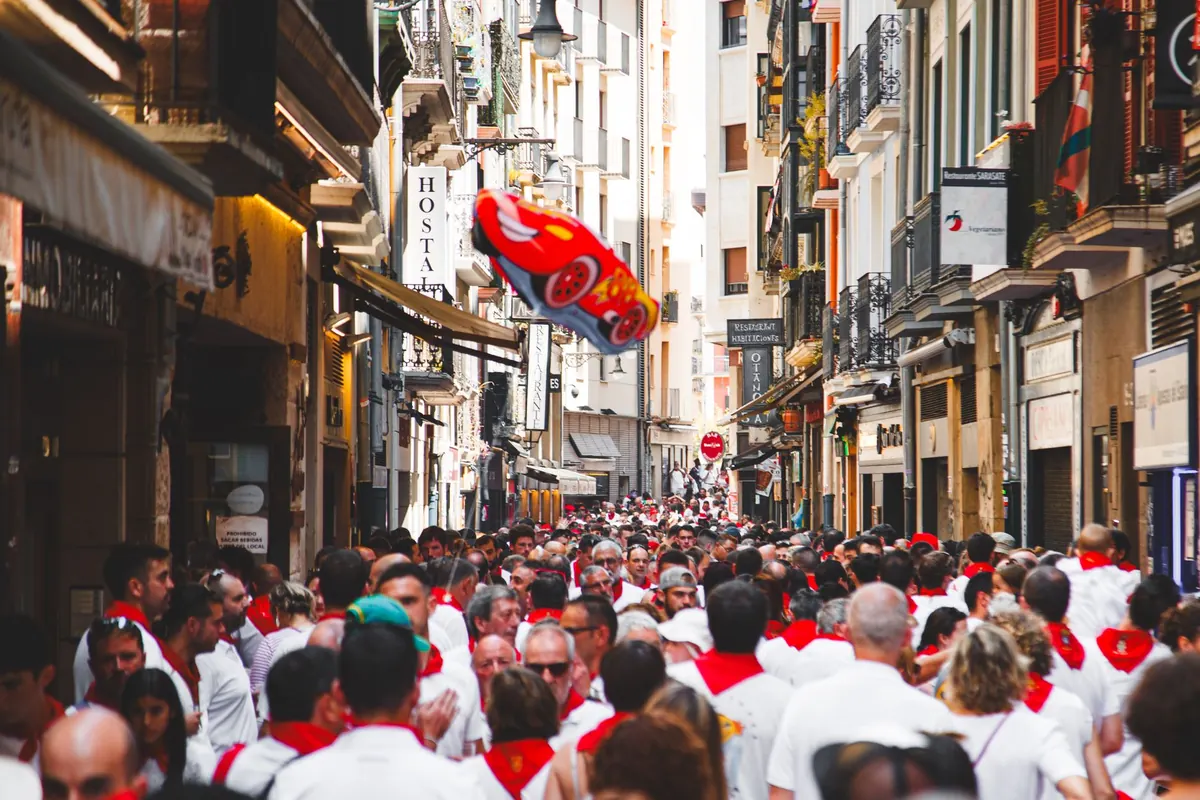
The crowds build in the evening rather than the morning. If you want photographs and a view of the procession, go early. If you want the atmosphere, go late and accept that you will be standing for a long time.
The Palio: A Race, a Neighbourhood, a Year of Bragging Rights
The word palio originally meant the cloth prize awarded to the winner. Today it covers a family of races, most of them run on horseback or on foot, almost all of them organised around rival districts that exist for no other reason than this.
Siena is the reference point: the Palio di Siena runs on 2 July and 16 August, and the seventeen contrade that compete are social clubs, baptismal registries and political factions rolled into one. But Siena is not the whole story. Asti runs its palio in September with a costume parade that fills the centre. Ferrara races in late May. Foligno holds a joust in June and September. In Gubbio, on 15 May, teams carry three tall wooden candles up the mountain in a barefoot run that has nothing to do with horses at all.
What these events share is that the result matters far more locally than the number of visitors suggests. A district that loses may spend the next eleven months preparing. If you are in town for the week of a palio, you will hear about little else, and the tension in the days before the race is often more interesting than the ninety seconds of the race itself.
Harvest Festivals and the Sagra Circuit
Autumn brings the festivals most easily enjoyed by a passing visitor. A sagra is a village festival built around one ingredient or one harvest, usually held in a piazza or a field, usually with long tables, paper plates and a queue.
The best-known in the news cycle is the truffle fair in Alba, in Piedmont, which takes over the town on weekends through October and November. Chestnut festivals, called castagnate, appear across the Apennines and the south in the same weeks. Grape harvest festivals cluster around September, olive oil festivals follow in November and December, and the opening of the local mill is treated in some villages as a public event in its own right.
Sagre are inexpensive, informal and unusually good at showing you what a place actually eats. They are also the events most likely to be cancelled or moved because of rain, so check the day before you travel.
What Makes the Headlines, Month by Month
If you follow Italian news, the calendar of these events is fairly predictable. A rough map:
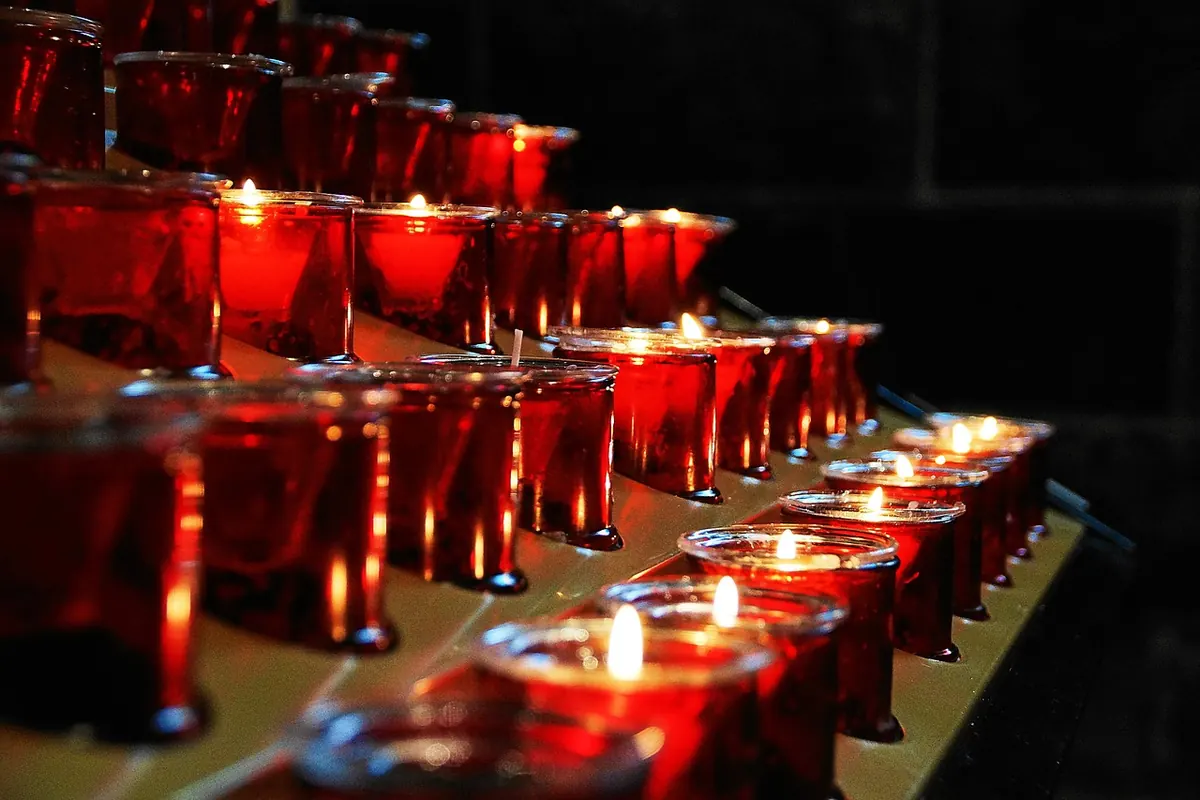
- February: Sant'Agata in Catania, with three days of processions and candlelight.
- Spring: San Nicola in Bari in May, the Corsa dei Ceri in Gubbio on 15 May, the Palio di Ferrara in late May.
- Early summer: Corpus Domini flower carpets in towns such as Genzano and Spello, the Festa dei Gigli in Nola in June, and Siena's first palio on 2 July.
- August: the second Siena palio on 16 August, plus feasts and processions across the south, many of them at night.
- September: the Palio di Asti, grape harvest festivals and the start of the truffle season.
- October and November: truffle fairs, chestnut festivals, olive oil days and the first cold-weather food festivals.
Dates do shift. Feast days tied to Easter move every year, and any event can be postponed for weather, so a local tourism office or the comune's own website is worth checking before you book anything.
How to Join In Without Getting It Wrong
These are working community events, not staged entertainment, and a little care goes a long way.
- Arrive earlier than seems necessary. Parking closes, roads shut and the good standing spots go first.
- Keep the procession route clear. Barriers and chalk lines are there for a reason; step behind them even when nobody is coming.
- Ask before photographing people in costume, and put the camera away during the sacred parts of a procession.
- Buy something from the stalls. A drink or a plate of pasta is the simplest way to be a guest rather than a spectator.
- Stand still during a race or a run. Crowds move fast, and the person behind you cannot see your feet.
- Dress for a church, not a beach. Many feasts begin with a mass you are welcome to attend.
It also helps to learn a handful of words. "Buonasera" and "complimenti" will carry you further than you think, especially in the smaller towns where foreign visitors are still a novelty.
Planning a Trip Around a Festival
Pick one event rather than three. Small towns with a famous festival have very few beds, and accommodation near a palio or a truffle fair fills up months ahead; staying in a nearby city and taking the train is usually the calmer option. Book early, expect to pay more than usual, and keep cash on you, since the stalls at a sagra are often cash-only.
Check the programme on the comune's website a week before you travel, and again the day before. Confirm whether the main event is in the morning or at night, and whether you need a ticket or just a spot in the street. Wear shoes you can stand in for hours.
Finally, leave room in the plan. The best moments at these festivals tend to happen at the edges: a conversation with a neighbour who has watched the procession every year since childhood, a plate handed over a trestle table, an old man explaining why the district on the other side of the river has no chance this year. That is the part the newspapers only hint at.
Photo: Leif Bergerson / Pexels