



Beginner's Guide to Following Italian Local Elections in English
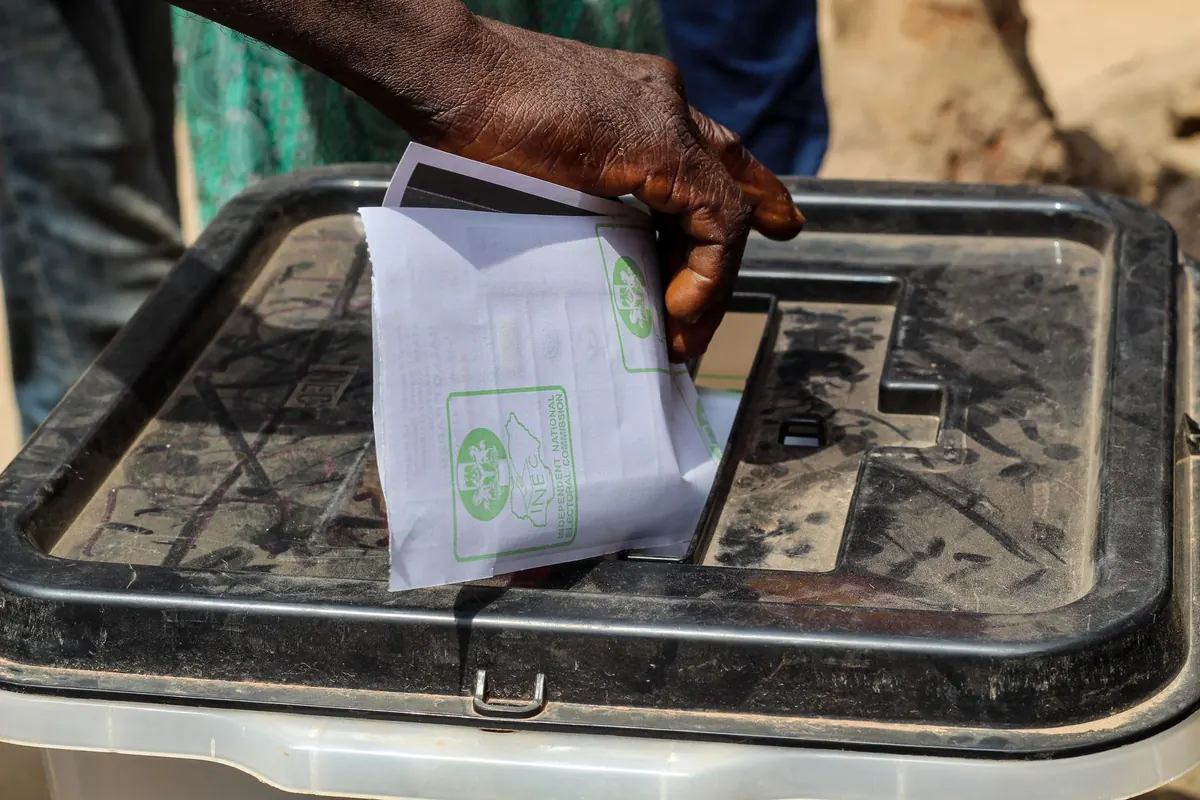
Italian local elections can look like a wall of party symbols and unfamiliar words. The good news is that the basics are learnable in an afternoon. Once you know what a comune is, how a mayor gets elected, and what a ballottaggio means, results pages start to make sense. This guide is for readers following a mayoral race in English without pretending the Italian political map is simple.
The Comune Is the Unit That Matters
Start with the comune. It is the municipality — a city, town, or village — and it is the basic stage for what Italians call elezioni comunali or elezioni amministrative. When you read about a mayoral race in Bologna, Bari, or a small hill town in Umbria, you are reading about one comune and its voters.
At the centre of the race is the sindaco, the mayor. The mayor leads the giunta, the executive board, and names assessori, the councillors who hold portfolios such as transport, schools, or urban planning. A vicesindaco serves as deputy mayor. The consiglio comunale, the city council, approves budgets, rules, and major decisions. Local elections usually choose the mayor and the council together, which is why the mayoral result and the council result are linked but not identical.
Larger cities may also have circoscrizioni, district or neighbourhood councils. They are not the main event, but they can matter for local services and for reading how a city is governed below the town hall. Before you follow a race, identify the comune and its size. Election rules and ballot design can differ depending on whether you are looking at a large city or a small municipality.
Candidates, Coalitions and Civic Lists
A mayoral candidate rarely runs alone. Most are backed by a coalizione, a coalition of lists. Some lists carry national party names; others are liste civiche, civic lists built around a local figure, a single issue, or a town-specific identity. A candidate may appear with a national party, a regional group, and a local list called something like “Per [town name]” or “Insieme per [town name].”
This is where English-language readers often trip. Do not assume that a party label means the same thing in every comune. Local alliances are shaped by personalities, council experience, and neighbourhood networks. Two candidates may both claim “centre-left” or “centre-right” support but assemble very different coalitions. The useful question is not only “Which party is this?” but “Who is in this candidate’s coalition, and what does that coalition control?”
A simple rule: the mayoral candidate is the headline; the lists are the fine print that decides the council.
Keep a small table as you read: candidate, coalition name, main lists, and any obvious local issue. That table will do more for your understanding than memorising every party symbol. In larger municipalities, the ballot can also allow a split vote between a mayoral candidate and a list; the exact rules depend on the size of the comune, so check the official notice rather than guessing.
How the Voting Rounds Work
Many Italian mayoral races are decided in one round. In comuni with more than 15,000 residents, the rule is often different: if no mayoral candidate wins more than half of the valid votes in the first round, the top two candidates go to a ballottaggio, a runoff, usually held about two weeks later. The runoff winner becomes mayor. “Valid votes” matters here — blank ballots and spoiled ballots are not counted in the same way as votes for a candidate.
The runoff in plain terms
The first round tells you who is competitive. The runoff tells you who can build a majority when the field narrows to two. In larger comuni, the winning coalition usually receives a seat bonus in the council, which is why the mayoral result also shapes the chamber. In smaller comuni, there is usually no runoff: the candidate with the most valid votes wins. Always confirm the specific rule for the comune you are following, because the size of the municipality and the official election notice determine the exact ballot.
The Vocabulary That Makes Headlines Readable
You do not need fluent Italian to follow results. You need a working set of terms. These are the ones that appear again and again:
- Elezioni amministrative / comunali — local or municipal elections.
- Sindaco — mayor.
- Consiglio comunale — city council.
- Giunta — the mayor’s executive board.
- Assessore — councillor with a policy portfolio.
- Vicesindaco — deputy mayor.
- Lista civica — civic list, often locally rooted rather than a national party.
- Coalizione — coalition of lists supporting a candidate.
- Ballottaggio — runoff between the top two candidates.
- Turno — round of voting.
- Seggio — polling station.
- Scheda — ballot paper.
- Affluenza — turnout.
- Scrutinio / spoglio — the count and the counting of ballots.
- Prefettura — the local office of the central state, often a useful official source for election information.
Read the terms in context rather than translating every word. A headline saying “ballottaggio a [city]” means the race is going to a second round. “Affluenza in calo” means turnout is down. “Liste civiche decisive” means local lists are playing a decisive role. That is enough to follow the story.
Where to Find Results and What to Trust
Use official sources first: the comune’s election office, the prefettura, and the national interior ministry’s election pages where available. These pages may be plain and slow to update, but they are the reference point. Television projections and exit polls can be useful for atmosphere, but they are estimates. Check whether a result is a projection, a partial count, or an official count. Check whether it refers to the first round or the runoff.
Turnout numbers arrive early and can shape the narrative, but they do not tell you who won. Look at valid votes, not just the percentage of seats filled. If you are following a race in English, translate names carefully and keep the Italian original beside them; a mistranslated coalition name can send you to the wrong conclusion. For anything that affects your own vote, candidacy, or legal position, rely on the official election notice and the comune’s election office.
A 20-Minute Routine for Election Night
You do not need to stay up until every council seat is assigned. A short routine will keep you oriented:
- Before polls close, write down the mayoral candidates and their coalitions.
- When polls close, note turnout from an official source.
- Watch the first official results, not social media screenshots.
- Check whether a runoff is possible and who would enter it.
- Once the mayoral result is clear, look at the council composition.
- Save the official results page and reread it the next morning.
Start with the comune, the candidate, the coalition, and the round. The rest — the party symbols, the local feuds, the council arithmetic — becomes clearer as you follow one race closely. Italian local elections reward patience more than speed.
Photo: Fatima Yusuf / Pexels