

Daily News Checklist: 7 Questions to Ask Before Sharing a Breaking Story
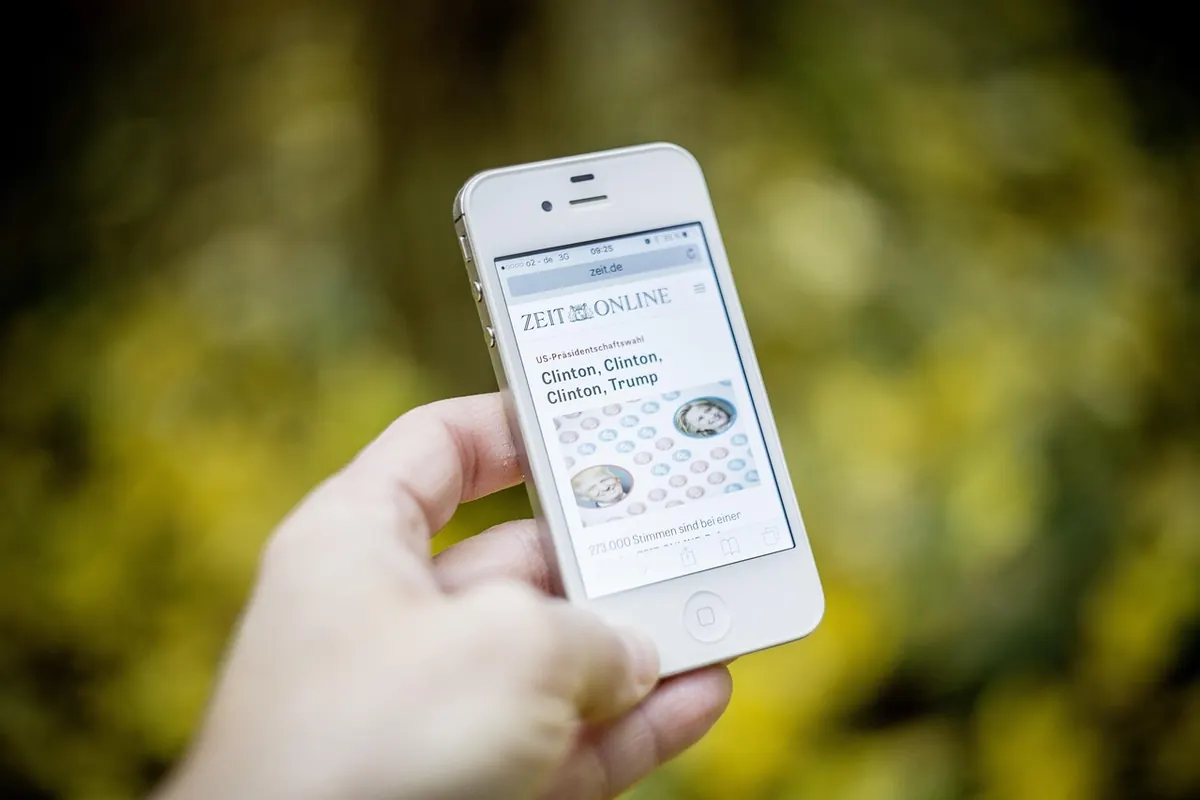
Somewhere in your feed right now, a story is moving faster than the facts behind it. A photograph of smoke above a stadium, a screenshot of a resignation letter, a line of text attributed to a police spokesperson. It arrives with no source, gets forwarded four times, and by the time you see it, it looks like news.
Most people share in good faith. We want to warn someone, or add a detail, or simply say: look at this. But a share is not a private thought. It is a small act of publishing, with your name attached, and it travels further than you expect.
The checklist below is what to run through before you repost anything breaking. It takes about a minute once it becomes habit. None of it requires a journalism degree — only the willingness to pause while everyone else is rushing.
Why the first version is rarely the last
Breaking news is a rough draft written in public. Early casualty figures get revised, sometimes down. A suspect is detained and then released without charge. A cause of an incident is named by one official and contradicted by another an hour later. None of this means the reporting was malicious; it means information arrives in pieces.
The trouble is that the first version spreads furthest. It is the one with the dramatic headline, the one pushed by alerts, the one people screenshot before the correction appears. If you share the first version, you become part of the reason the correction never catches up.
The seven questions
1. Who is actually saying this, and are they the origin?
The line you are reading may have started with a named reporter, a fire service press office or a court spokesperson. By the time it reaches you it has probably passed through an aggregator, a Facebook page, a messaging channel or somebody's screenshot of somebody else's post. Ask whether you can get one step closer to the origin. If the post credits "local media", find the local media. If it quotes a statement, look for the statement itself. A claim that cannot be traced to a named person or institution is not a report — it is a rumour with nice formatting.
2. When was this published, and has anything changed since?
Timestamps are the most ignored detail in breaking news. A post from eleven o'clock last night about a road closure may be useless by seven this morning. Screenshots are worse: they freeze a moment and strip away the date entirely. Open the original, check the time, and check the time zone if the event is abroad. Then look at whether the same account has posted an update in the hours since.
3. Has anyone independent confirmed it?
One source is a tip; two are closer to a story. Look for confirmation from an outlet that did its own reporting rather than rewriting the same post. Watch for the circular pattern where five websites all cite each other back to a single unverified origin. If you can only find one source, say so when you share: "Reported by X, not yet confirmed elsewhere." That one sentence protects you and informs whoever reads it.
4. What exactly was said, in full?
Short quotes travel best and mislead most. A sentence lifted from a longer answer can reverse its meaning once the qualifier is removed. Before you repeat a quote, find the full clip, the full statement or the full paragraph. Be suspicious of quotes that sound too neat — real public statements are rarely that tidy. If the quote has been translated, be more careful still, since tone and conditionals rarely survive the trip.
5. Where did that image or video come from?
Images are the easiest thing to fake and the hardest to doubt. Run a reverse image search on the still. Check whether the footage has surfaced before — old clips of floods and explosions resurface on every anniversary and every new disaster. Look for details that do not fit: shop signs in the wrong language, summer leaves during a winter storm, a vehicle model that does not belong on that street. If there is no traceable original source for the picture, do not present it as evidence of anything.
6. What is missing from the frame?
An arrest is not a conviction. A statement of intent is not a policy. A scuffle outside a building is not a riot. Ask where exactly this happened, who is affected, and what stage the process has reached. A useful test: could you describe the event to a friend in two accurate sentences, without adding a single thing you cannot support?
7. What happens if I am wrong — and am I adding anything?
Think about the harm first. A wrong name attached to a wrong accusation can follow someone for years. A misidentified photograph can put a family in the middle of a story they have nothing to do with. Then think about the value. Does your share add information, or just volume? If a hundred people in your feed already have it, you are adding noise, not news. Waiting costs you nothing.
A 60-second routine
You do not need to memorise the questions. Turn them into a fixed sequence you run every time something is moving fast.
- Open the original post. Check who posted it and when.
- Search the key phrase, or run a reverse image search on the picture.
- Find one independent confirmation — or note that there isn't one.
- Read past the headline to the second and third paragraph, where the caveats live.
- Decide: share it, share it with a clear caveat, or close the tab.
Keep the routine short enough that you will actually do it. A checklist you skip under pressure is not a checklist; it is decoration.
If you have already shared something wrong
It happens. The useful move is a correction in the same place, phrased plainly: "I shared a report earlier that a suspect had been charged. That was wrong — police have confirmed no charge has been filed. Apologies for the confusion." Do not quietly delete and hope nobody noticed; the people who saw the original deserve to see the fix. If your post named a private individual, take it down and say why.
Being first is a professional advantage for newsrooms with lawyers and editors behind them. For everyone else, being right is the only advantage worth having.
Keep the pause, lose the panic
The people who handle breaking news well are not faster readers than you. They simply have a routine they trust, and they accept the small social cost of being five minutes late. You can borrow that habit today.
Save these seven questions somewhere you will find them — a note on your phone, a pinned message in the group chat where most of your forwarding happens. Then use them on the next dramatic post that lands in front of you, before your thumb reaches the share button. Most of the time you will share anyway, with a caveat added and a date checked. Occasionally you will stop something false from spreading. Either way, you will have done the job that the person who originally posted it probably did not.
Photo: markusspiske / Pixabay